
Verify AI code
Lyriks checks that the code and the spec are always aligned.
Lyriks gives your agents the right spec from the first prompt, then checks the result rule by rule, deterministically: same code, same spec, same verdict.
Sound familiar?
- The AI shipped a regression nobody saw.
- Your AI reviewed itself and missed a bug.
- Manual checks made you the bottleneck.
- The specThe validated spec becomes the brief your agents code from.
- Your AI codes itFast, sometimes with a little extra, or a little missing.
- Lyriks checks every ruleAdditions and omissions are flagged and fixed until the code matches the spec.
The verification loop
- 01
Lyriks holds the spec
Validated, with its rules and their sources.
- 02
Your LLM codes
Claude Code, Cursor or Copilot, through MCP.
- 03
Lyriks verifies
Deterministic engine: same code, same spec, same verdict.
- 04
Gaps sent back
The loop runs until 100% conformance.
The implementation report, with every release
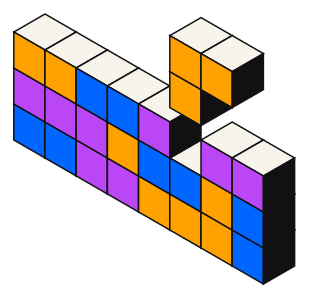
- Conformant: implemented as specified
- Addition: added without being asked
- Omission: specified, not implemented
- Regression: existing behavior broken
- Every gap linked to its rule and source
Further reading
AI Writes Twice as Much Code. Who Reviews It?
AI has nearly doubled merged pull requests and review can't keep up. Five common beliefs about reviewing AI code, and what actually holds up.
Additions, omissions, regressions: the three gaps in AI-generated code
AI-written code can pass review and still drift from the spec in three ways. A checkout change shows how to name additions, omissions and regressions.
AI code review or verification against the spec?
AI code review reads code once it's written. Verification checks it against what was decided. A one-cent VAT rounding change shows why you need both.
Other use cases
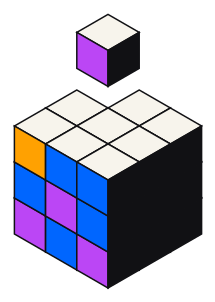 Refactor and migrateRebuild without losing anything on the way.Discover
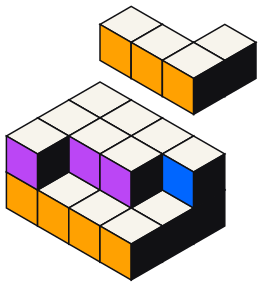 Evolve safelySimulate the impact. Then change with confidence.Discover
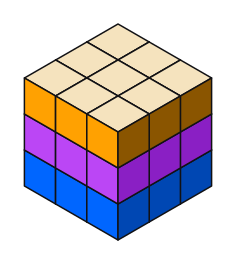 Keep the project memoryModels come and go. Your project memory stays.Discover